
Wearable technology has long been associated with tracking fitness and health metrics like steps, heart rate, and calories burned. However, it is expanding into areas far beyond exercise, influencing how users interact with technology and manage daily tasks.
Wearable tech is evolving to include features such as health monitoring for chronic conditions, augmented reality, and seamless integration with smart home systems, transforming its role in everyday life. These advancements demonstrate that wearables are no longer just fitness gadgets but essential tools for enhancing productivity, safety, and personal well-being.
This shift reflects growing demand for devices that offer more comprehensive functionalities, signalling a new era where wearables serve multiple purposes across different aspects of life.
The Transformation of Wearable Technology Beyond Fitness
Wearable technology in 2025 has moved well past simple step counting and heart rate monitoring. Innovations have addressed early device limitations, expanded functionality, and incorporated artificial intelligence to deliver richer user experiences across health, productivity, and lifestyle.
Limitations of Early Fitness Trackers
Early fitness trackers focused primarily on basic metrics like steps taken, calories burned, and heart rate. Their small screens and limited sensors restricted the depth of health insights they could provide. Devices often struggled with battery life, typically lasting only a day or two, which deterred continuous usage.
Data accuracy was another issue. Early sensors were prone to errors during activities like cycling or swimming, leading to inconsistent results. Additionally, the lack of integration with other health data limited the usefulness of fitness trackers for comprehensive wellness monitoring.
Drivers of Evolution in Wearable Tech
Several factors have driven the evolution of wearable technology beyond fitness. Advances in sensor technology have enabled measurements of blood oxygen, stress levels, and sleep quality. Improvements in battery technology have extended device usage to several days or even weeks.
Consumer demand for multifunctional devices pushed manufacturers to combine fitness tracking with smartwatch features like notifications, music control, and contactless payments. Healthcare interest in remote monitoring also accelerated development, embedding wearables into chronic disease management and clinical trials.
Integration of Artificial Intelligence
Artificial intelligence (AI) has become a crucial component of modern wearable technology. AI algorithms analyse vast amounts of biometric data to detect trends, predict potential health issues, and personalise recommendations.
This integration allows wearables to move beyond static data collection. For example, AI can identify irregular heart rhythms or detect early signs of fatigue, offering actionable insights. Natural language processing also enables voice commands and smart assistants, further enhancing device usability.
Expanding Applications: Wearables in Health, Wellness, and Daily Life
Wearable technology now integrates deeply into health, wellness, and everyday activities. Devices track vital signs with greater precision, support mental wellness, enable remote healthcare, and improve efficiency at work.
Advanced Health Monitoring Capabilities
Modern wearables measure heart rate variability, blood oxygen levels, and sleep quality in real time. These metrics give users valuable insights into cardiovascular health and respiratory function.
Many devices include sensors capable of detecting irregular heart rhythms and early signs of health issues. This data allows users to take timely action or seek medical advice before symptoms worsen.
Some wearables synchronise with smartphone apps, presenting trends and alerts. This integration empowers users to understand their bodies and adjust lifestyles for better health outcomes.
Mental Health and Emotional Well-being
Wearables now monitor physiological indicators linked to stress and anxiety, such as skin temperature and heart rate variability. They help detect emotional changes and prompt users to practise mindfulness or breathing exercises.
Certain devices offer features like mood tracking and guided meditation sessions. These tools assist users in managing mental health proactively through consistent self-awareness.
By providing objective data rather than relying solely on self-reporting, wearables offer healthcare providers useful information for mental health assessments.
Remote Patient Monitoring and Healthcare Partnerships
Wearables facilitate remote patient monitoring by continuously collecting health data outside clinical settings. This enables healthcare providers to track conditions such as chronic heart disease and respiratory illnesses remotely.
Many health services partner with wearable manufacturers to access patient data securely. It supports personalised treatment plans and reduces the need for frequent hospital visits.
Such collaboration also accelerates early detection of health deterioration. Patients receive timely interventions based on real-time alerts from their devices.
Productivity and Workplace Adoption
Companies adopt wearables to enhance employee productivity and well-being. Devices monitor stress indicators, movement patterns, and fatigue, helping workplaces tailor health initiatives.
Employers use aggregated data to design ergonomic work environments and encourage breaks to avoid burnout. Wearables offer a way to balance performance and health sustainably.
In some sectors, wearables also improve safety by tracking vital signs and alerting users to hazardous conditions, reducing accidents and downtime.
Innovative Devices and Emerging Technologies
Wearable technology now extends beyond fitness tracking to include discreet devices, immersive displays, adaptive textiles, and direct neural links. These developments offer new ways to enhance daily life through convenience, interaction, and health monitoring.
Smart Rings and Minimalist Wearables
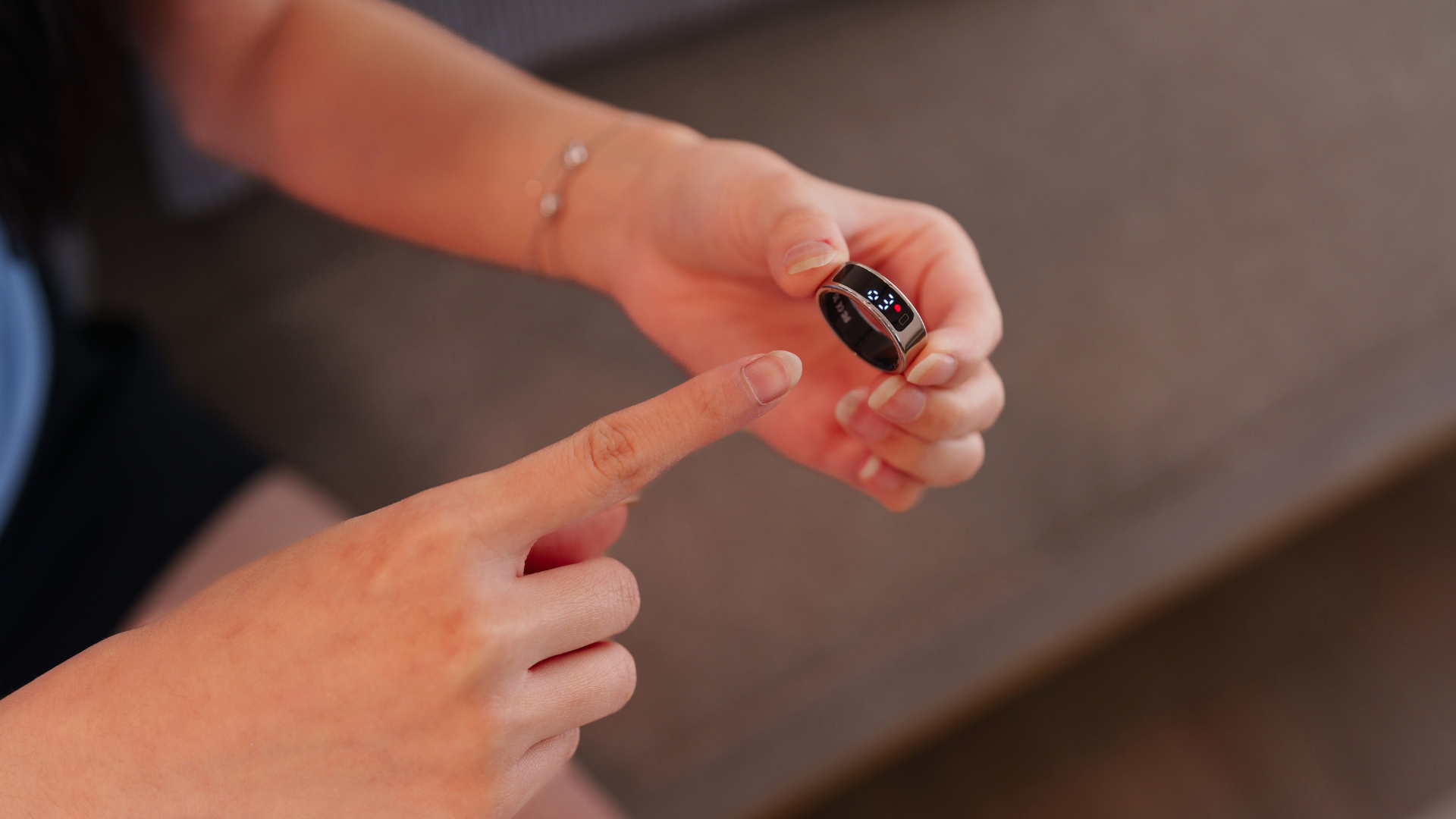
Smart rings provide a compact alternative to traditional wearables by focusing on essential features like notifications, health data, and contactless payments. Their small size means users can wear them comfortably without the bulk of watches or wristbands.
Many models incorporate sensors for heart rate, sleep quality, and even oxygen saturation. Smart rings often use haptic feedback to alert users discreetly. Battery life typically lasts several days due to the efficient use of limited space.
These devices appeal to people prioritising minimalism or needing subtle technology in professional settings. Brands continue to innovate with gesture controls and biometric authentication within rings.
Smart Glasses and Augmented Reality
Smart glasses deliver real-time information directly in the user’s line of sight, enabling hands-free interaction and enhanced awareness. They combine AR overlays with cameras, microphones, and speakers, supporting applications from navigation to remote assistance.
Augmented reality in smart glasses merges digital content with the physical environment, useful for industries like manufacturing, healthcare, and education. Developers are focusing on improving display clarity, field of view, and battery longevity.
Current models vary from bulky prototypes to sleeker consumer versions. Integration with smartphones and cloud computing enables voice commands, object recognition, and contextual data display.
Smart Clothing and Fabrics
Smart clothing embeds sensors in textiles to monitor physiological signals such as heart rate, respiration, and muscle activity. These garments use conductive fibres and flexible circuits to maintain comfort and durability.
Applications include sports performance tracking, medical monitoring, and heat regulation. Some fabrics adapt their properties in response to environmental changes, offering temperature control or moisture management.
Manufacturers face challenges in washability and data accuracy, but advances in nanotechnology and washable electronics are improving product reliability. Smart textiles blend seamlessly into everyday apparel for long-term use.
Brain-Computer Interfaces and Neural Integration
Brain-computer interfaces (BCIs) aim to create direct communication pathways between the brain and external devices. This technology has potential for medical rehabilitation, communication for locked-in patients, and enhanced human-computer interaction.
Current BCIs range from non-invasive EEG headsets to invasive implants that offer higher precision. Research focuses on improving signal decoding, reducing latency, and developing user-friendly interfaces.
Neural integration promises new control methods for prosthetics, smart environments, and even thought-based commands. Ethical and privacy concerns remain key considerations as development progresses.
Challenges and the Future of Wearable Tech
Wearable technology is confronting key issues around user safety, device endurance, and developmental directions. These factors directly influence its broader adoption and integration into daily life.
Data Privacy and User Trust
Data privacy remains a critical hurdle for wearable tech manufacturers. Users provide sensitive information, from health metrics to location data, which requires robust protection to prevent breaches.
Transparent data-handling policies and strengthened encryption are essential for building trust. Companies face pressure to comply with regulations like GDPR while maintaining seamless user experiences.
Users increasingly demand control over what data is collected and how it is shared. Lack of trust can slow adoption or push consumers towards products with more stringent privacy measures.
Battery Life and Hardware Limitations
Battery life continues to limit the potential of wearable devices. Compact form factors restrict battery size, challenging manufacturers to balance power consumption with performance.
Users expect all-day or multi-day use without frequent charging. Innovations like energy-efficient processors and improved battery technologies aim to meet these demands.
Hardware constraints also affect sensor accuracy and device durability. Developing lightweight, resilient materials and optimising power usage will be key to overcoming these barriers.
Future Trends and Societal Impact
Wearables are expanding beyond fitness into healthcare, communication, and augmented reality. Devices will increasingly offer real-time diagnostics and alerts, enabling proactive health management.
Integration with AI and IoT ecosystems will create more personalised and context-aware experiences. However, this growth raises ethical questions, including data ownership and surveillance risks.
Society must adapt to new norms around constant connectivity and the blending of physical and digital realities. The ongoing evolution of wearable tech will reshape everyday interaction and wellbeing.