
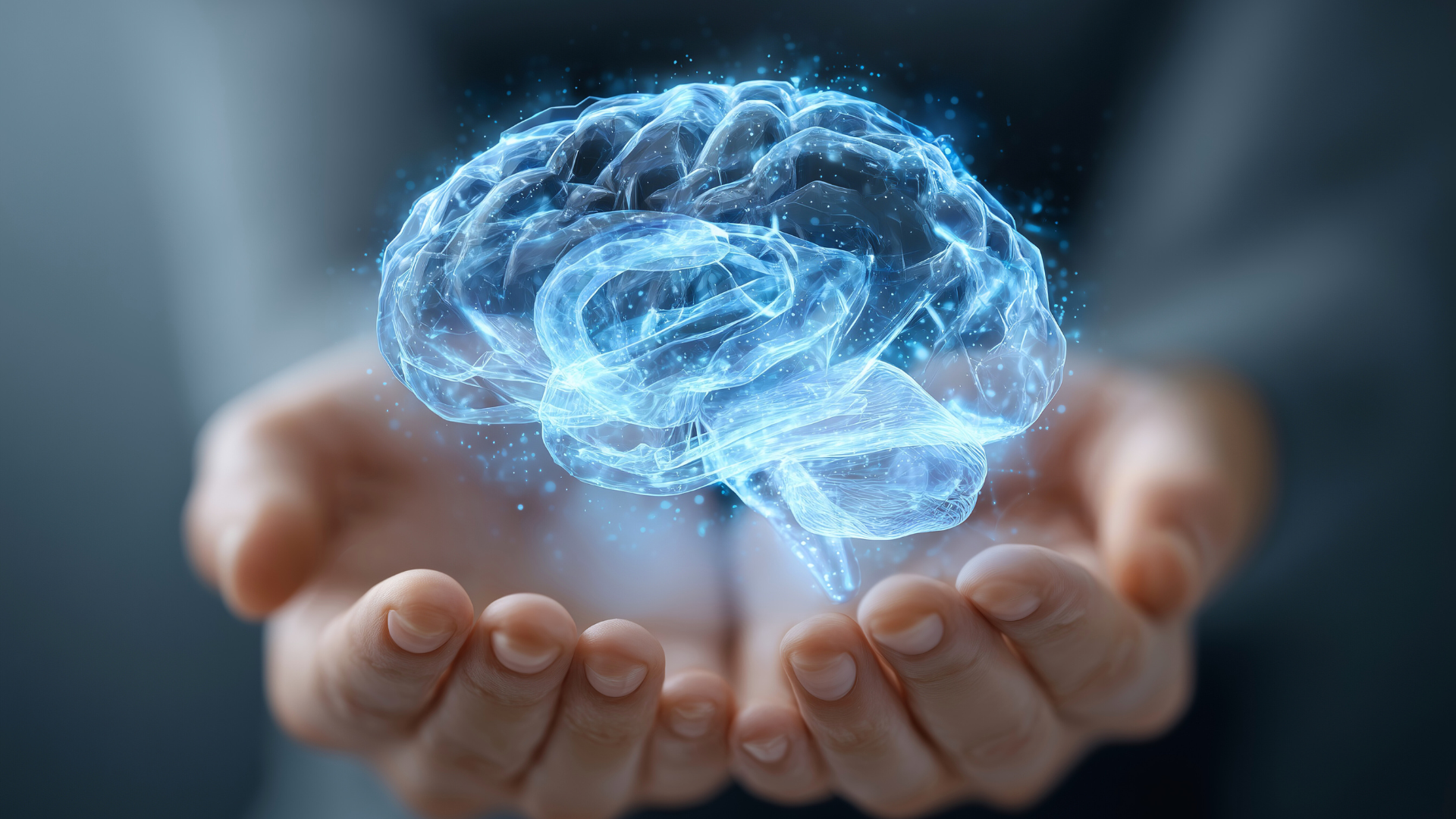
Neuroscience is uncovering the biological mechanisms behind human behaviour by analysing how brain structures and neural circuits influence decision-making, emotions, and actions. Advances in brain imaging and neurotechnology allow researchers to observe brain activity in real time, linking specific patterns to behavioural responses.
By decoding these neural signals, neuroscience reveals the processes that drive thoughts and behaviours, offering a clearer understanding of why people act as they do. This knowledge has practical applications across psychology, education, and healthcare, helping to predict behaviour and develop personalised interventions.
As research progresses, new insights continue to emerge about the complexity of human behaviour, shaped by both genetic and environmental factors. Understanding these connections provides a foundation for exploring how the brain shapes everyday life.
Neuroscience Foundations in Decoding Human Behaviour
Understanding human behaviour requires detailed knowledge of the brain’s components, how they communicate, and how they change over time. Examining brain structure, cellular communication, adaptability, and research methods reveals the biological basis behind actions and decisions.
Brain Structure and Function
The human brain consists of major structures such as the cerebrum, cerebellum, and brainstem, each responsible for vital functions. The cerebrum manages higher thought, sensory processing, and voluntary movement. The cerebellum controls coordination and balance. The brainstem regulates automatic functions like breathing and heartbeat.
Different regions within the cerebrum handle specialised tasks. For example, the prefrontal cortex governs decision-making and personality, while the amygdala processes emotions. Understanding these areas helps connect specific brain functions to behaviours.
Neurons and Neurotransmitters
Neurons are the brain’s fundamental cells responsible for transmitting information. Each neuron connects with thousands of others via synapses, where chemical signals cross gaps. These chemicals are known as neurotransmitters.
Common neurotransmitters include dopamine, linked to reward and motivation; serotonin, associated with mood regulation; and acetylcholine, important for learning and memory. The balance and interaction of neurotransmitters influence behaviour, emotions, and cognitive processes.
Brain Plasticity and Development
Plasticity refers to the brain’s ability to reorganise itself by forming new connections. This capacity is crucial during childhood development but continues throughout life, allowing learning and recovery from injury.
Brain development begins prenatally and progresses rapidly in early years, stabilising into adulthood. Experiences and environmental stimuli shape neural pathways, affecting behaviour patterns and cognitive skills.
Methods for Studying the Human Brain
Neuroscientists use various techniques to study brain function. Functional magnetic resonance imaging (fMRI) measures blood flow changes to infer active brain areas during tasks. Electroencephalography (EEG) records electrical activity from neurons, providing real-time brain function data.
Other methods include positron emission tomography (PET) scans to track chemical activity and transcranial magnetic stimulation (TMS) to influence brain regions non-invasively. These tools offer detailed insights into how brain structures and activities relate to behaviour.
Neural Mechanisms of Cognition, Learning, and Emotion
Neuroscience identifies specific brain structures and networks that govern complex mental functions, adapting through experience and regulating emotional responses. These mechanisms reveal distinct yet interconnected pathways for processing information, forming memories, and managing feelings.
Cognitive Processes and Mental Functions
Cognitive neuroscience studies how brain regions such as the prefrontal cortex support executive functions like decision-making, attention, and problem-solving. Neural circuits integrate sensory input and prior knowledge to enable perception, reasoning, and language comprehension.
Cognitive functions depend on dynamic interactions within large-scale networks, including the default mode network and frontoparietal network. These systems coordinate to prioritise goals, inhibit distractions, and facilitate flexible thinking. Deficits in these areas often correlate with neurological disorders, underscoring their importance.
Learning and Memory Systems
Learning involves changes in synaptic strength within the hippocampus and neocortex, enabling the storage and retrieval of information. The hippocampus plays a critical role in forming new episodic memories, while cortical areas support long-term consolidation.
Different types of memory—such as procedural, declarative, and working memory—have specialised neural substrates. Plasticity mechanisms like long-term potentiation (LTP) underlie learning processes by modifying connections between neurons. This adaptability allows behavioural modifications in response to experience.
Emotion Regulation and Emotional States
The amygdala is central to processing emotional stimuli, particularly fear and reward signals. It interacts with the prefrontal cortex to regulate emotional responses and mediate behaviour appropriate to context.
Emotional states influence cognitive operations through hormone release and neural modulation. Regulation of emotions involves top-down control that adjusts the intensity and expression of feelings. Disruptions in these circuits are linked to mood disorders and anxiety, highlighting their clinical relevance.
Decoding Behaviour Through Brain Imaging and Experimental Approaches
Researchers use multiple methods to analyse brain activity and link it to human behaviour. These techniques reveal how different brain regions function during tasks, and how electrical signals and brain rhythms contribute to cognitive processes.
Brain Imaging Technologies
Magnetic Resonance Imaging (MRI) and functional MRI (fMRI) are key tools for observing brain structure and function. MRI creates detailed images of brain anatomy, while fMRI tracks changes in blood flow linked to neuronal activity, identifying active brain regions during specific behaviours.
Positron Emission Tomography (PET) scans measure metabolic processes by detecting radioactive tracers. PET is useful for studying neurotransmitter activity and energy use in the brain, although it offers lower spatial resolution than MRI.
These imaging techniques provide non-invasive ways to locate regions involved in memory, emotion, or decision-making, helping decode the neural basis of behaviour.
Electrical Activity and Brain Rhythms
Electroencephalography (EEG) records electrical activity from the scalp, tracing brain rhythms that reflect different cognitive states. Brain rhythms like alpha, beta, and gamma waves indicate various levels of attention, arousal, and information processing.
This method captures rapid timing of neuronal activity, complementing imaging techniques which map areas but lack temporal precision. EEG is especially valuable for studying sensory processing, sleep patterns, and real-time responses to stimuli.
Analysing patterns in brain rhythms enables researchers to understand how networks of neurons synchronise during different behaviours and tasks.
Advances in Experimental Design
Contemporary neuroscience experiments combine imaging and electrical recording with precise behavioural tasks. Controlled stimuli and computerised tests improve accuracy in linking brain responses to specific actions or decisions.
Adaptive experimental designs, including real-time data feedback, allow dynamic adjustment of tasks based on brain activity. This approach increases sensitivity in detecting subtle neural correlates of behaviour.
Additionally, advances in data analysis, like machine learning, help decode complex brain signals, revealing hidden patterns that contribute to understanding cognition and behavioural variability.
Real-World Applications and Future Directions
Neuroscience research has identified key brain areas and chemical systems regulating human behaviour. This knowledge supports advances in improving decision-making, understanding social interactions, and addressing mental and brain health challenges.
Decision-Making and Planning
The prefrontal cortex plays a central role in decision-making and planning. Its regulation of neurotransmitters like dopamine, serotonin, and acetylcholine influences attention, risk assessment, and working memory. Neuroscientific studies have mapped how these chemical signals impact choices and future-oriented behaviours.
Applications in this area include enhancing cognitive training programmes to improve executive functions and designing targeted interventions for disorders characterised by impaired planning. For example, dopamine regulation therapies are explored in conditions like ADHD. Understanding neural mechanisms also guides the development of AI models that mimic human decision strategies.
Social Behaviour and Social Cognition
Neural circuits supporting social cognition involve the prefrontal cortex and other regions like the amygdala. These areas process perception, empathy, and social cue recognition. Serotonin modulation has been linked specifically to social behaviour dynamics.
Insights into these neural processes allow better diagnosis and treatment of social deficits in disorders such as autism. Additionally, real-time brain imaging helps track social engagement and emotional processing. Emerging technologies use this data to refine social skills training through neurofeedback and virtual reality environments.
Mental Health and Brain Health
Mental health conditions often stem from dysregulated neurotransmitter systems and altered brain circuitry. Neuroscience research pinpoints how imbalances in serotonin and dopamine contribute to anxiety and depression symptoms. Studies on acetylcholine indicate its importance for cognitive resilience in ageing brains.
This knowledge enables precision medicine approaches to mental health by tailoring pharmacological treatments based on specific neural profiles. Brain health strategies increasingly focus on lifestyle factors that support neurotransmitter balance, such as exercise and diet. Ongoing research continues to explore how neural mechanisms underlying mental illness can be reversed or compensated for.